
Intervine’s Passport to Vino
May 6, 2026
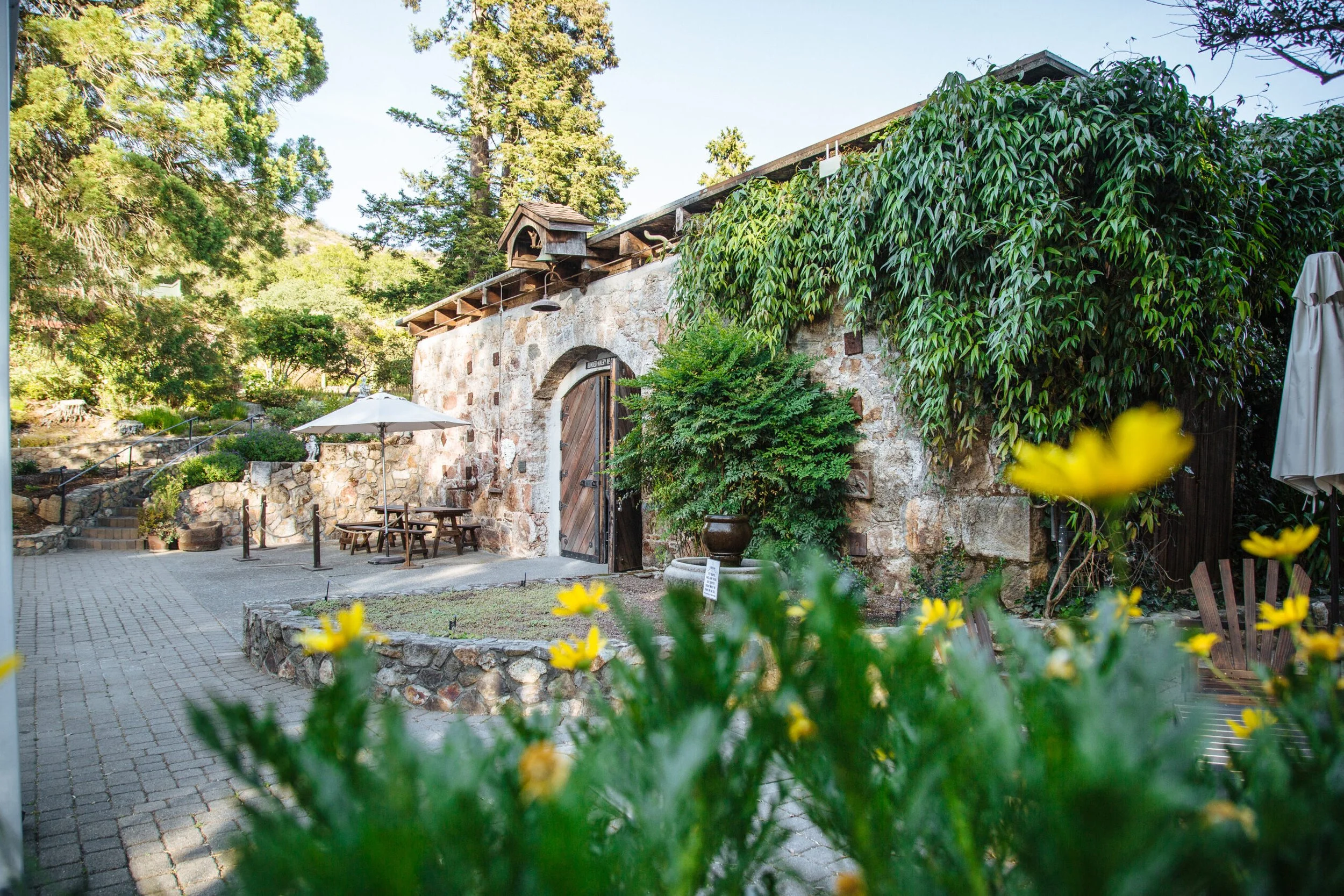
Gundlach Bundschu Winery
Walkaround Tasting:
Producer Profiles & Sustainability Highlights
Matthiasson (Napa Valley, USA)
Founded in 2003 by Steve and Jill Matthiasson in Napa Valley, Matthiasson Wines is a family-owned producer recognized for pioneering a fresh, balanced, and food-friendly style in California, prioritizing low-alcohol and high-acidity wines. They are leaders in sustainable agriculture, utilizing organic,, low-till, and regenerative farming.
Highlights: Organic and regenerative farming practices, Napa Green participant, low-intervention winemaking, emphasis on biodiversity.
Region: The estate vineyard is in the Oak Knoll District, a cooler part of Napa Valley that allows for high acidity and moderate alcohol levels.
Bodegas Avancia (Spain)
Bodegas Avancia is a premier, small-estate winery in Spain's D.O. Valdeorras, founded by Jorge Ordóñez to showcase high-quality Godello and Mencía from old, dry-farmed vines on slate soils. Located on steep, terraced slopes above the Sil River, it is known for producing concentrated, mineral-driven white wines and elegant red wines, often regarded as top expressions of their terroir.
Highlights: Their Old Vine Godello (Sourced from the 1904/1910 Aeiroá vineyard) is recognized as one of the best in Spain, often compared to premium white Burgundy for its texture and minerality.
Region: D.O. Valdeorras is a prestigious, historic wine region in southeastern Galicia, Spain (established 1945), famous for reviving the Godello white grape and producing elegant, mineral-driven wines.
Catena (Mendoza, Argentina)
Catena Zapata, founded in 1902 in Mendoza, Argentina, is a pioneering family winery credited with revolutionizing Argentine Malbec and discovering high-altitude Andean terroirs. Led by Nicolás Catena and Dr. Laura Catena MD, the winery focuses on quality, with the Adrianna Vineyard often called the "Grand Cru of South America".
Highlights: High-altitude vineyards, sustainability-focused viticulture, biodiversity research, certified vineyards and social responsibility initiatives.
Region: Mendoza is Argentina's premier wine region, producing roughly 70–75% of the country's wine, located in the high-altitude desert foothills of the Andes. Renowned for world-class Malbec, this region features 800+ wineries, significant sunny days, and glacier-melt irrigation. The top areas include Luján de Cuyo (traditional, historic) and the Uco Valley (modern, very high altitude).
Charles Krug Winery (Napa Valley, USA)
Established in 1861 by Charles Krug, the Charles Krug Winery is Napa Valley’s oldest winery and a pioneering estate in St. Helena. Owned by the Peter Mondavi Sr. family since 1943, it is renowned for producing Bordeaux-style blends and Napa Cabernet Sauvignon.
Highlights: Napa Green certified, solar energy use, water conservation programs, sustainable vineyard management.
Region: The St. Helena AVA is a premier wine region in the heart of Napa Valley, situated between the Mayacamas and Vaca mountains. Renowned for producing powerful, age-worthy, fruit-forward Cabernet Sauvignon, the region offers warm days and substantial night cooling, ideal for intense, balanced fruit.
HALL Wines (Napa Valley, USA)
HALL Wines, founded by Craig and Kathryn Hall, is a premier Napa Valley producer specializing in high-quality Cabernet Sauvignon with two locations in St. Helena and Rutherford. Known for modern art, sustainability (LEED® Gold certified), and over 500 acres of estate vineyards, it features 100-point wines and immersive, modern tasting experiences.
Highlights: LEED Gold–certified winery, extensive solar power usage, organic and sustainable vineyard practices.
Regions: Rutherford AVA is a premier Napa Valley sub-appellation known for its historic, warm valley-floor vineyards and the iconic "Rutherford Dust"—a signature cocoa-powder-like tannin profile. Primarily renowned for producing rich, structured Cabernet Sauvignon. The St. Helena AVA is a premier wine region in the heart of Napa Valley, situated between the Mayacamas and Vaca mountains. Renowned for producing powerful, age-worthy, fruit-forward Cabernet Sauvignon, the region offers warm days and substantial night cooling, ideal for intense, balanced fruit.
Bolle (Non-Alcoholic Wines)
BOLLE is a premium, London-based non-alcoholic (<0.5% ABV) sparkling wine brand founded in 2020 by oenologist Roberto Vanin, designed for fine dining. It stands out by utilizing a unique, patented "twice-fermented" process—a first in the industry—where wine is de-alcoholized, then re-fermented to regain the structure and texture of traditional wine.
Highlights: Alcohol-free production, wellness-driven philosophy, reduced environmental impact.
Domäne Wachau (Wachau, Austria)
Domäne Wachau is Austria's leading quality wine cooperative based in Dürnstein, renowned for producing top-tier Grüner Veltliner and Riesling from steep, hand-harvested, terraced vineyards along the Danube. Led by Roman Horvath MW and Heinz Frischengruber, it manages roughly 30% of the Wachau region, emphasizing sustainability, terroir-driven single-vineyard wines (Ried), and "heroic" viticulture.
Highlights: Sustainable viticulture, hand-harvested vineyards, DAC Wachau quality standards.
Region: The Wachau is a prestigious, UNESCO-listed wine region in Lower Austria, stretching 12 miles along the Danube River between Melk and Krems. Known for steep, terraced vineyards and high-quality, dry white wines, the region focuses on Riesling and Grüner Veltliner.
Far Mountain (Sonoma County, USA)
Founded in 2018 by Rodrigo Soto and Mai Errazuriz, Far Mountain is a boutique Sonoma winery focusing on high-elevation, dry-farmed vineyards in the Moon Mountain District. It specializes in textured, mineral-driven Chardonnay and structured Cabernet Sauvignon from rocky, volcanic soils that create intense, age-worthy wines.
Highlights: Organic vineyard sources, native fermentations, minimal additives, old-vine preservation.
Region: The Moon Mountain District is a prestigious, high-elevation AVA (established 2013) on the western slopes of the Mayacamas Mountains in Sonoma County. Their primary Chardonnay, "Myrna," is known for its mineral-driven, structured style originating from the slopes of Bald Mountain in Sonoma County.
Carpineto (Tuscany, Italy)
Founded in 1967 in Chianti, Italy, Carpineto is a pioneering, family-run winery known for high-quality, sustainable, and carbon-neutral production of Tuscan reds, including Chianti Classico and Vino Nobile. It holds over 500 hectares of land and has won international awards for its long-aged, elegant wines.
Highlights: Sustainable farming, expanding organic practices, long-term environmental stewardship.
Region: Chianti Classico is the historic, top-tier wine region located in Tuscany between Florence and Siena, renowned for producing high-quality, savory red wines dominated by Sangiovese (minimum 80%). Established as a legal wine territory in 1716, it is the original heart of Chianti production, distinct from the larger surrounding Chianti zone. It is recognized for its unique, rocky limestone/clay soils and higher altitude. Wines feature vibrant cherry, herb, and violet notes.
Dandelion Vineyards (South Australia)
Dandelion Vineyards is a premium South Australian winery founded by Elena and Zar Brooks, focusing on old vine fruit from McLaren Vale, Eden Valley, and Barossa. Known for award-winning, terroir-driven wines, the estate features the "Wonder Room" and emphasizes sustainable practices and high-quality, aromatic styles. Elena Brooks grew up in Bulgaria and eventually landed in Australia to continue her winemaking education and career. Elena is recognized as one of Australia’s brightest stars, with a long history of award-winning wines.
Highlights: Old-vine preservation, sustainable sourcing, minimal-intervention winemaking.
Region: Located in South Australia, the Barossa Valley is a world-renowned wine region celebrated for its rich, full-bodied Shiraz, Cabernet Sauvignon, and fortified wines. Featuring a warm Mediterranean climate, it hosts over 150 wineries and some of the world's oldest continuously producing vineyards (dating back to the 1840s).
E. Guigal (Rhône Valley, France)
Founded in 1946 by Etienne Guigal in Ampuis, E. Guigal is a premier Rhône Valley winery renowned for setting the standard for Northern Rhône wines, particularly Côte-Rôtie. The family-run estate is famous for its three iconic single-vineyard "La La" wines—La Mouline, La Landonne, and La Turque—often receiving 100-point scores
Highlights: Sustainable vineyard management, traditional winemaking, strong heritage focus.
Region: Côte-Rôtie, meaning "roasted slope," is a prestigious Northern Rhône appellation in France known for producing elegant, aromatic, and long-lived red wines primarily from Syrah. These wines, grown on extremely steep terraces near Ampuis, often incorporate up to 20% Viognier to add aromatic finesse. The region is famous for its, with "roasted" slopes offering intense sun exposure, resulting in wines known for notes of red fruit, violets, and pepper.
G.D. Vajra (Piedmont, Italy)
G.D. Vajra is a highly acclaimed, family-run winery in Vergne, the highest village in Barolo, established by Aldo Vaira in 1972. Known as "modern traditionalists," they produce elegant, high-altitude, organically farmed wines since 1971. The estate has produced the iconic wines of their neighbors Luigi Baudana as well since 2008. Also recognized for their unique label designs made by a local Piedmont artist.
Highlights: Organic-certified vineyards, biodiversity initiatives, native yeast fermentations.
Region: Barolo is a prestigious Italian DOCG wine region in Piedmont, producing100% Nebbiolo red wines often hailed as "the king of wines." Located south of Alba, it covers 11 villages known for steep, high-quality vineyards and limestone-clay soils. Barolo is characterized by high tannins, high acidity, and complex aromas of rose, tar, and cherry.
Little Beauty (Marlborough, New Zealand)
Little Beauty is a premium, independent winery based in New Zealand's Waihopai Valley, Marlborough, producing small-batch, single-vineyard wines. Led by former Cloudy Bay winemaker Eveline Fraser, the brand focuses on elegant, aromatic, and gastronomic styles, including Sauvignon Blanc, Pinot Noir, and Pinot Gris
Highlights: Sustainable Winegrowing New Zealand certified, low-intervention wine style.
Region: Marlborough is New Zealand's premier and largest wine region, located at the top of the South Island. Famous for pioneering high-quality, aromatic Sauvignon Blanc, it accounts for roughly 75% of the country's wine production. The region boasts a cool, sunny climate, producing vibrant wines with high acidity and intense fruit flavors.
Famiglia Pasqua (Veneto, Italy)
Famiglia Pasqua is a historic, family-owned winery founded in 1925 in Verona, Italy, known for producing high-quality wines from the Veneto region, including Amarone and Valpolicella. Celebrating its 100th anniversary in 2025, the winery combines tradition with innovation, focusing on creativity and research to produce iconic labels.
Highlights: Sustainability-driven production, lightweight packaging, social responsibility programs.
Region: Valpolicella is a premier red wine region in Veneto, northeastern Italy, near Verona, renowned for producing diverse styles from Corvina, Corvinone, and Rondinella grapes. Famous for intense Amarone (dried grapes) and elegant Valpolicella Classico, the region also produces Ripasso and sweet Recioto.
Susana Balbo Wines (Argentina)
Founded in 1999 in Mendoza, Argentina, by the country’s first female winemaker, Susana Balbo Wines is a renowned family-owned winery known for innovation, sustainability, and high-quality, elegant wines. Located in Agrelo and Gualtallary, the winery is famous for elevating Torrontés and producing acclaimed Malbecs and blends, offering luxury tourism experiences.
Highlights: Sustainability initiatives, social impact programs, high-altitude vineyard management.
Region: The Valle de Uco (Uco Valley), located in Mendoza, Argentina, is a premier, high-altitude wine region known for producing elegant, fresh, and aromatic wines, particularly Malbec. Situated at the foot of the Andes at 900–1,500m elevation, its unique terroir features rocky soils and extreme temperature variations that create high natural acidity and depth.
Frog's Leap Winery (Napa Valley, USA)
Founded in 1981 in Rutherford, California, Frog's Leap Winery is a premier family-owned winery known for organic farming, dry-farming, and producing balanced, lower-alcohol wines. Located in the historic "Red Barn," it focuses on terroir-driven varietals like Cabernet Sauvignon and Sauvignon Blanc, emphasizing sustainability and natural winemaking principles.
Highlights: A pioneer in sustainability, the winery has been certified organic since 1989 and uses dry farming to conserve water.
Region: Rutherford AVA, established in 1993 in central Napa Valley, is renowned for its "Rutherford Dust" terroir—gravelly loam soils producing refined, earthy wines. While famous for Cabernet Sauvignon, the region also produces elegant Sauvignon Blanc (tropical/citrus, often with schist-like texture) and plush Merlot (black/blue fruit, velvet texture).
Planeta (Sicily, Italy)
Planeta is a premier, family-owned Sicilian winery established in 1995 that revolutionized the region’s wine industry by blending17 generations of farming tradition with modern innovation. Operating six boutique wineries across five distinct Sicilian regions, they manage 386 hectares of certified organic vineyards focused on both native (Nero d'Avola, Carricante) and international varietals.
Highlights: Founding member of SOStain Sicilia, renewable energy use, water conservation. Fun Fact: Planeta was featured in the second season of the series White Lotus!
Region: The Etna DOC, established in 1968 in Sicily, produces high-altitude, volcanic wines on the slopes of Europe's highest active volcano. Primarily featuring Nerello Mascalese (reds) and Carricante (whites), the region is known for "heroic viticulture" due to its challenging, steep, and diverse volcanic soils. Wines are characterized by high acidity, minerality, and elegance.
Gary Farrell Winery (Russian River Valley, USA)
Founded in 1982 by pioneer Gary Farrell, this Healdsburg, California winery is a premier producer of cool-climate Pinot Noir and Chardonnay in the Russian River Valley. Known for elegant, balanced, and small-lot single-vineyard wines, the winery partners with top growers, including the famous Rochioli vineyard, to produce highly acclaimed,,90+ point, fruit-forward, yet restrained wines.
Highlights: Sustainable vineyard sourcing, grower partnerships, restrained winemaking.
Region: The Russian River Valley (established in 1983) is a premier, cool-climate American Viticultural Area (AVA) in Sonoma County, California, renowned for world-class Pinot Noir and Chardonnay. Located 55 miles north of San Francisco, the region is defined by Petaluma Gap fog, which cools the vineyards, and unique "Goldridge" soils.
Selbach-Oster (Mosel, Germany)
Selbach-Oster is a premier, family-owned winery in Germany’s Mosel region, operating for over 400 years with a reputation for producing top-tier, classic Riesling from 24 hectares of steep slate slopes. Managed by Johannes and Barbara Selbach, the estate specializes in low-intervention winemaking, using old-vine fruit, wild yeast fermentation, and traditional large oak barrels.
Highlights: Sustainable steep-slope viticulture, organic practices in select vineyards, low-intervention cellar work.
Region: The Mosel is home to some of the steepest, most difficult to farm slopes in all of the wine world. It’s particularly famous for high-acidity, low-alcohol Riesling. Spanning from Koblenz to Trier, the valley features slate soils that retain heat for ripening grapes. It is a premier cultural destination featuring medieval castles (like Eltz Castle), Roman history, and picturesque wine villages
Jean-Marc Brocard (Burgundy, France)
Founded in 1973 in Préhy, France, Jean-Marc Brocard is a premier, family-owned winery in Burgundy, renowned as one of the largest producers in Chablis. Led by Julien Brocard, the estate focuses on organic and biodynamic practices (40+ hectares). The style emphasizes pure, mineral-driven Chardonnay by avoiding new oak and focusing on limestone soil expression.
Highlights: Meticulous farming of parcels to produce over 30 distinct Chablis wines, including Petit Chablis, Village, Premier Cru, and Grand Cru, often using stainless steel tanks or neutral barrels to highlight the Kimmeridgian soil.
Region: Chablis is the northernmost wine region of Burgundy, France, renowned for producing, dry, high-acid white wines from 100% Chardonnay grapes. Known for its cool climate and fossil-rich Kimmeridgian limestone soils, it produces a distinct, lean, and mineral-forward style that is often unoaked. The region features four appellations—Petit Chablis, Chablis, Premier Cru, and Grand Cru—spanning around 4,260 hectares
Ridge (Santa Cruz Mountains, California)
Ridge Vineyards, founded in 1962 in the Santa Cruz Mountains, is a premier California winery renowned for producing single-vineyard, terroir-driven wines using "pre-industrial" techniques. Famous for its historic Monte Bello Cabernet Blend and iconic Zinfandels (Geyserville, Lytton Springs), Ridge emphasizes sustainability, native yeasts, and minimal intervention.
Highlights: Ridge is a leading grower of organically certified grapes in Sonoma County and the Santa Cruz Mountains. Ridge has famously included an “Ingredients” section on their labels since 2011.
Region: The Santa Cruz Mountains wine region, established as an AVA in 1981, is a historic, rugged California region known for high-elevation, cool-climate wines, particularly Pinot Noir, Chardonnay, and Cabernet Sauvignon. Stretching across three counties, its diverse microclimates and rocky, maritime soils produce balanced, mineral-driven, and age-worthy wines.